Navigating Change in the Heart of Upper Mustang
I woke early, fueled by curiosity, and set off toward Lo-Manthang in a rented electric jeep. The journey north revealed a dramatic shift in landscapes—from lush forests and deep gorges to Mustang’s arid, high-altitude desert.
Reaching Jomsom by midday, I faced an unexpected challenge: the electric jeep couldn’t continue due to the lack of charging stations. I switched to a gasoline-powered vehicle and, after a simple lunch of dal bhaat, resumed the rugged journey. The road grew rougher, with dust and bumps turning the four-hour drive into a true endurance test.
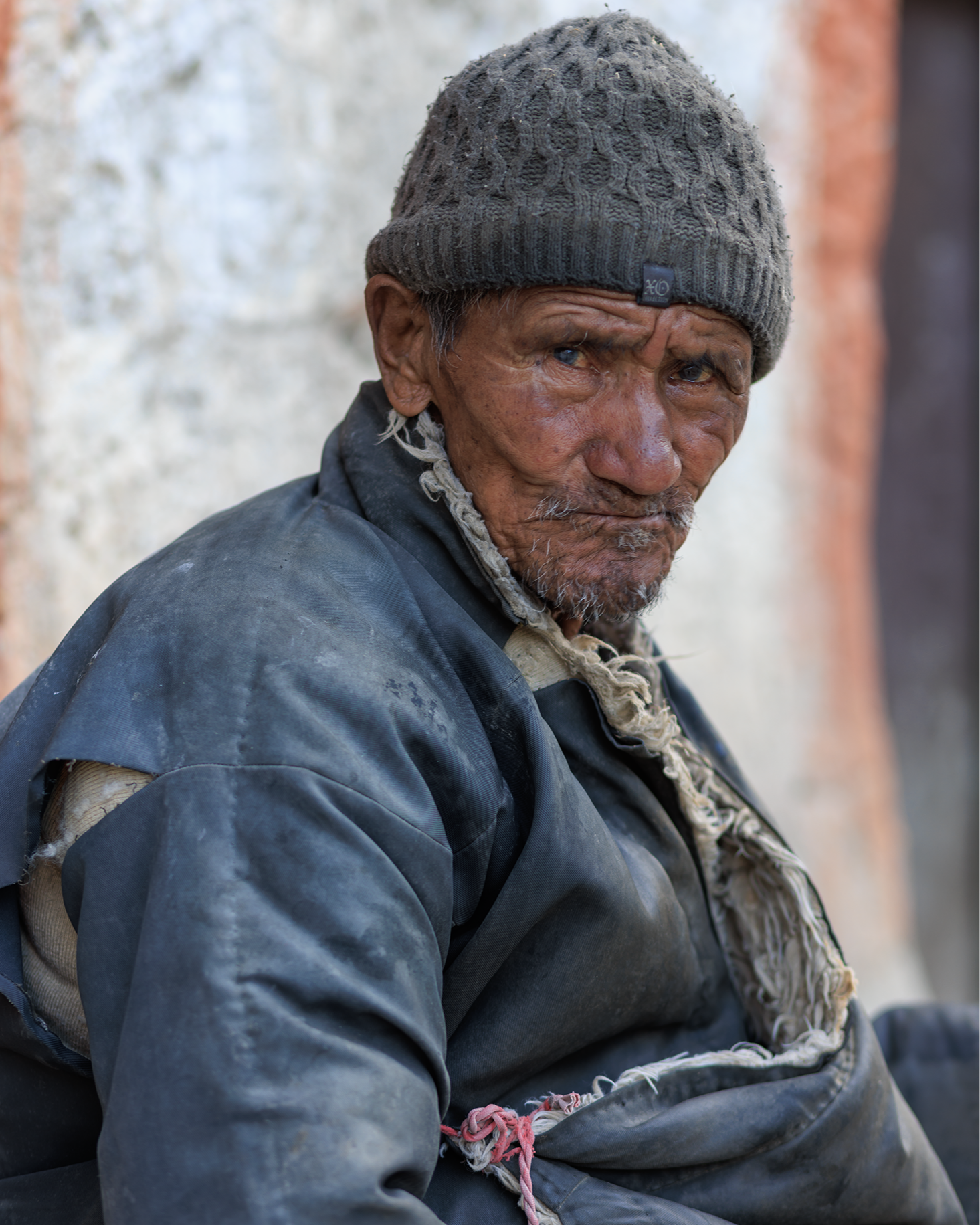
By dusk, we arrived in Lo-Manthang. Despite fatigue, I ventured into the village’s winding alleys. The locals spoke Tibetan, making communication difficult, and I chose not to photograph out of respect when unsure of their comfort.
As I walked, I noticed a quiet shift—traditional Tibetan homes stood alongside new concrete buildings, and smartphones lit up ancient doorways. Change had arrived. Lo-Manthang, once sealed off from the world, now stood delicately between honoring its past and adapting to the future.
Returning to Tatopani: A Journey Through Time and Memory
After a grueling 14-hour drive through winding, rugged roads, I’ve just arrived in Tatopani, nestled in the heart of Nepal’s Myagdi district. Known for its natural hot springs and dramatic landscape, this place has transformed over the years—but stepping into it now feels like walking through a memory.
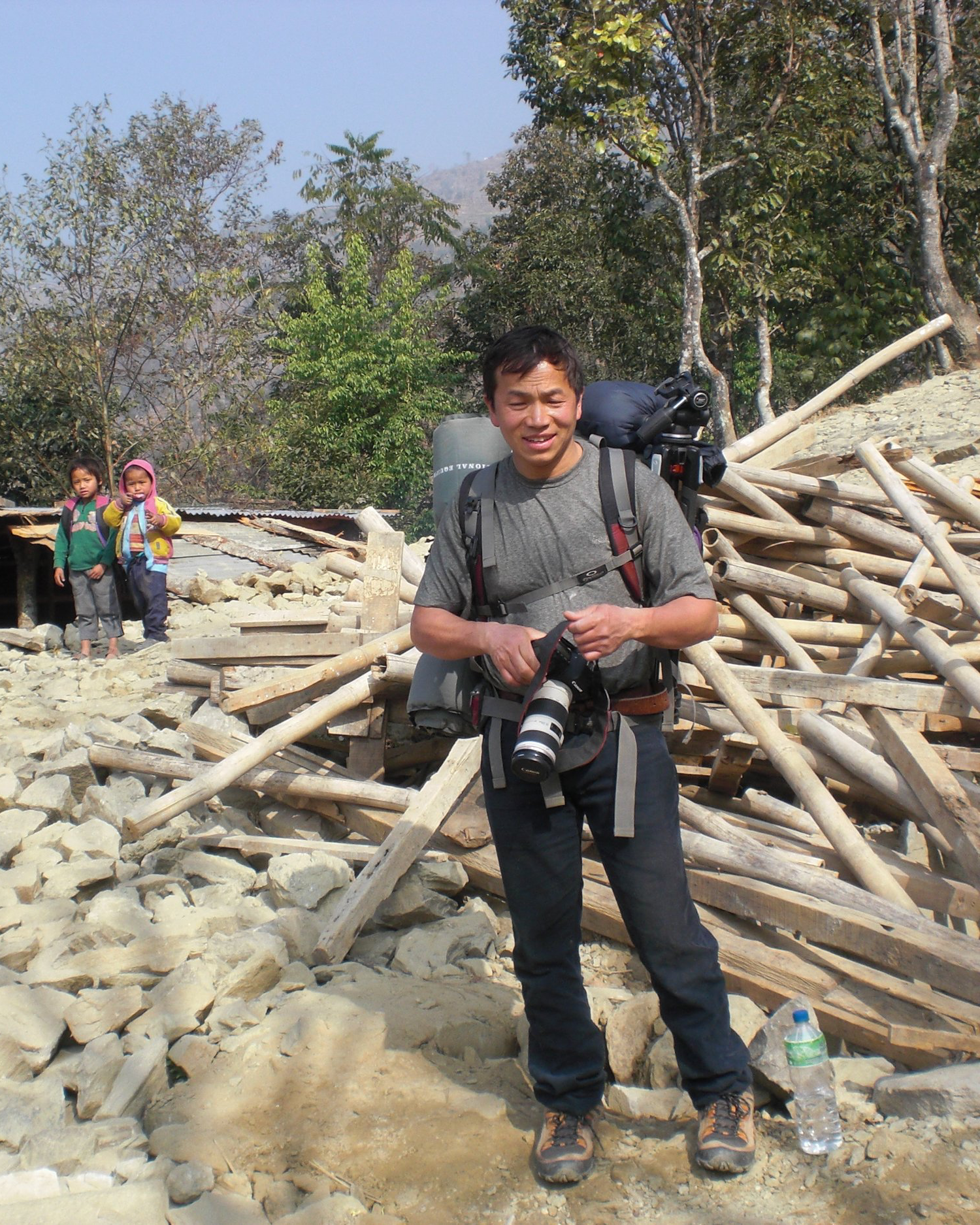
I was only 15 years old when I first passed through here. As a young trekking porter, I had just completed a journey with a group of foreign trekkers. Their adventure ended in Jomsom, from where they flew back to Pokhara. But for me, the road continued—on foot. With no money for a flight, I began my solo journey from Jomsom to Beni, hoping to catch a local bus back to Kathmandu.
I still remember that morning vividly—leaving Marpha around 3 a.m., under the dim light of the stars, carrying the weight of both my pack and my dreams. The trail carved along the Kali Gandaki River was unforgiving, flanked by deep gorges and shadowed by towering cliffs. My feet were tired, but my resolve was stronger. I walked for hours, driven by necessity and the quiet hope for a better future.
Today, as I stand by the riverbank and listen to the roar of the Kali Gandaki, the past returns with startling clarity. The river still flows with the same intensity, carving through stone as it always has—unchanged, timeless. And yet, everything else has changed. The boy who once walked this path out of survival has returned as a man, seeking something deeper: a reconnection with the place where his journey began.
This land holds my story—my struggles, my endurance, and my quiet triumphs. In its mountains and gorges, I find a reflection of my own path through life. Tatopani is no longer just a destination; it is a mirror to my past and a reminder that even in hardship, there is beauty, meaning, and the power of memory.
My Camera !
I often get asked, “What camera do you use?” Some even say, “You must have an amazing camera to take such great photos.”
Well, here’s the truth: I use a Canon 5D Mark IV and a Canon 5DS R.
The 5D Mark IV is my go-to for night photography and some wildlife shots. It performs exceptionally well in low light and captures stunning detail in darker settings.
On the other hand, I use the 5DS R for landscapes. With its impressive 50-megapixel resolution, it delivers incredibly sharp and detailed images—perfect for showcasing nature’s vast beauty.
But here’s what I always tell people: the camera doesn’t take the photo by itself.
It’s just a tool.
What truly matters is the vision, the patience, and the connection to the moment—whether it’s in the wild or part of everyday life.
I often get asked, “What camera do you use?” Some even say, “You must have an amazing camera to take such great photos.”
Well, here’s the truth: I use a Canon 5D Mark IV and a Canon 5DS R. The 5D Mark IV is my go-to for night photography and some wildlife shots. It performs exceptionally well in low light and captures stunning detail in darker settings.
On the other hand, I use the 5DS R for landscapes. With its impressive 50-megapixel resolution, it delivers incredibly sharp and detailed images—perfect for showcasing nature’s vast beauty. But here’s what I always tell people: the camera doesn’t take the photo by itself.
It’s just a tool. What truly matters is the vision, the patience, and the connection to the moment—whether it’s in the wild or part of everyday life.
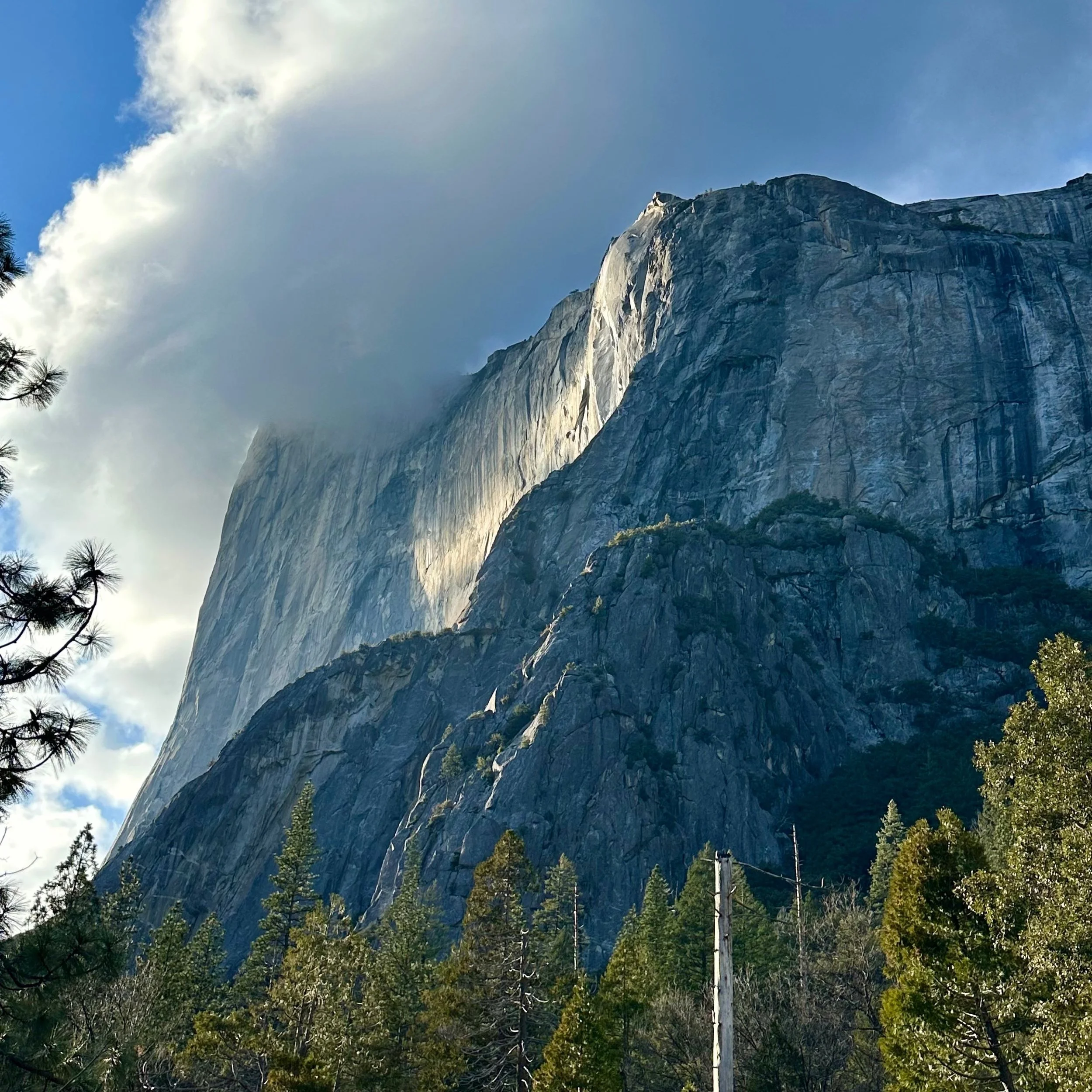
Firefall, Yosemite National Park
Chasing the Elusive Firefall: My 16-Year Journey in Yosemite
For the past fourteen years, I have traveled to Yosemite in hopes of capturing the breathtaking phenomenon known as Firefall. However, most years, I’ve returned home without witnessing it—even for a second—due to unpredictable weather conditions. As a photographer, I am entirely at the mercy of Mother Nature, and she often has other plans.
Firefall is a rare and mesmerizing event that occurs every year between February 8 and 28 at Horsetail Fall in Yosemite National Park. It requires a heavy snowpack in the mountains, clear skies for several days, and just the right sunset. When everything aligns, the setting sun illuminates the waterfall, making it glow with fiery hues—an awe-inspiring sight that feels like something out of paradise.
This year, in 2025, I once again made the journey, only to find that there was little water in the falls. And just before sunset, a blanket of clouds rolled in, obscuring the light—no Firefall once again.
As a photographer, capturing this fleeting moment has been my ultimate goal. It is one of the most incredible natural spectacles I have ever witnessed, and I strive to share its beauty with my audience. Since Firefall only happens during this short window in February, I will be making several trips to Yosemite during this period, hoping that one of those visits will finally allow me to capture it.